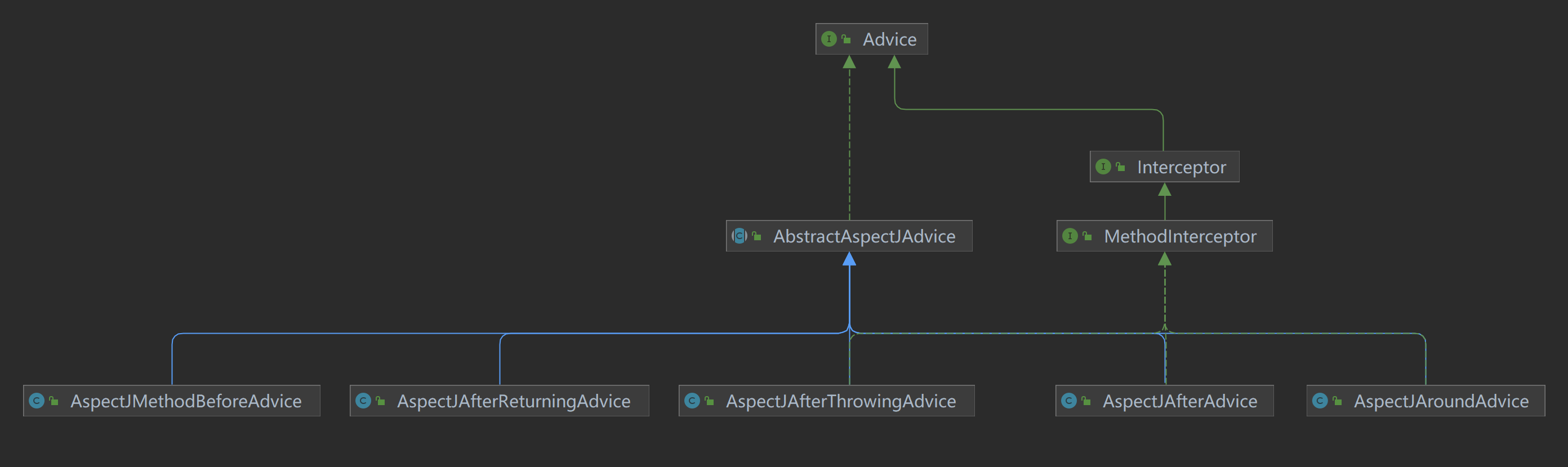
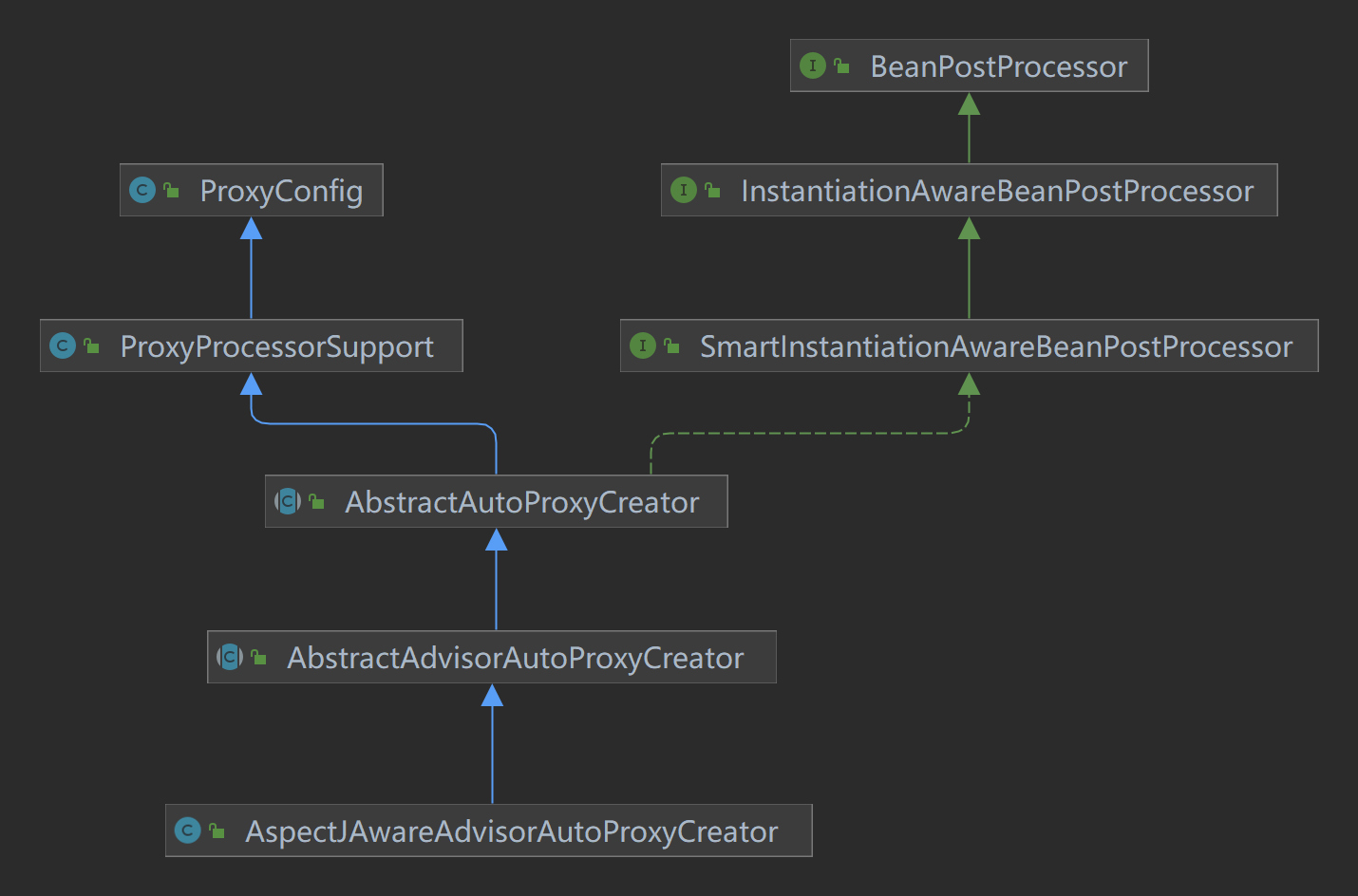
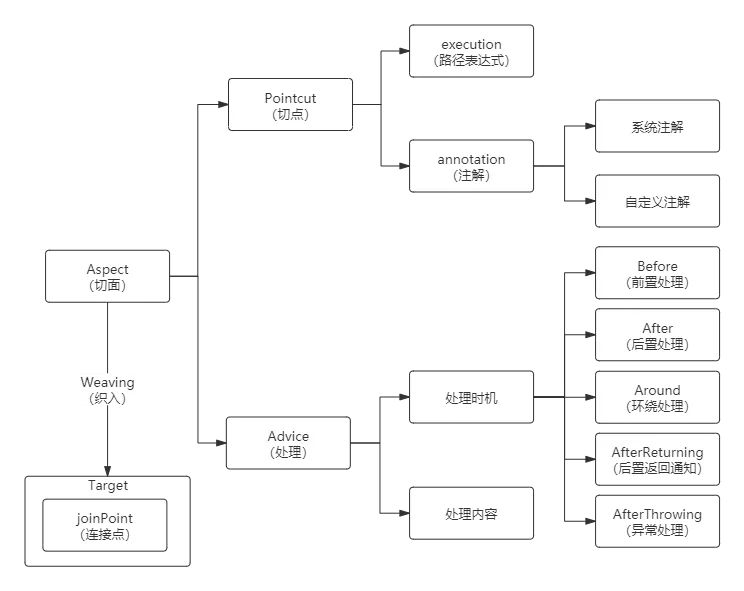
ApplicationContext applicationContext= new ClassPathXmlApplicationContext("spring.xml");
文件系统路径获取配置文件
ApplicationContext applicationContext = new FileSystemXmlApplicationContext("/home/usr/learn-spring-framework5.2/spring-demo/src/main/resources/spring.xml");
Java 配置类
ApplicationContext applicationContext = new AnnotationConfigApplicationContext(SpringDemoConfig.class);
Spring 核心加载方法
AbstractApplicationContext#refresh()方法是 Spring 容器启动过程中的核心方法
finally { // Reset common introspection caches in Spring's core, since we // might not ever need metadata for singleton beans anymore... // 重置 Spring 内核中的公用缓存 resetCommonCaches(); } } }
@Override @Nullable public Object invoke(MethodInvocation invocation)throws Throwable { // Work out the target class: may be {@code null}. // The TransactionAttributeSource should be passed the target class // as well as the method, which may be from an interface. // 获取我们的代理对象的class属性 Class<?> targetClass = (invocation.getThis() != null ? AopUtils.getTargetClass(invocation.getThis()) : null);
// 声明式事务处理 if (txAttr == null || !(ptm instanceof CallbackPreferringPlatformTransactionManager)) { // Standard transaction demarcation with getTransaction and commit/rollback calls. // 创建TransactionInfo TransactionInfotxInfo= createTransactionIfNecessary(ptm, txAttr, joinpointIdentification);
Object retVal; try { // This is an around advice: Invoke the next interceptor in the chain. // This will normally result in a target object being invoked. // 执行被增强方法,调用具体的处理逻辑 retVal = invocation.proceedWithInvocation(); } catch (Throwable ex) { // target invocation exception // 异常回滚 completeTransactionAfterThrowing(txInfo, ex); throw ex; } finally { //清除事务信息,恢复线程私有的老的事务信息 cleanupTransactionInfo(txInfo); }
if (retVal != null && vavrPresent && VavrDelegate.isVavrTry(retVal)) { // Set rollback-only in case of Vavr failure matching our rollback rules... TransactionStatusstatus= txInfo.getTransactionStatus();
// It's a CallbackPreferringPlatformTransactionManager: pass a TransactionCallback in. try { result = ((CallbackPreferringPlatformTransactionManager) ptm).execute(txAttr, status -> { TransactionInfotxInfo= prepareTransactionInfo(ptm, txAttr, joinpointIdentification, status); try { ObjectretVal= invocation.proceedWithInvocation(); if (retVal != null && vavrPresent && VavrDelegate.isVavrTry(retVal)) { // Set rollback-only in case of Vavr failure matching our rollback rules... retVal = VavrDelegate.evaluateTryFailure(retVal, txAttr, status); } return retVal; } catch (Throwable ex) { if (txAttr.rollbackOn(ex)) { // A RuntimeException: will lead to a rollback. if (ex instanceof RuntimeException) { throw (RuntimeException) ex; } else { thrownewThrowableHolderException(ex); } } else { // A normal return value: will lead to a commit. throwableHolder.throwable = ex; returnnull; } } finally { cleanupTransactionInfo(txInfo); } }); } catch (ThrowableHolderException ex) { throw ex.getCause(); } catch (TransactionSystemException ex2) { if (throwableHolder.throwable != null) { logger.error("Application exception overridden by commit exception", throwableHolder.throwable); ex2.initApplicationException(throwableHolder.throwable); } throw ex2; } catch (Throwable ex2) { if (throwableHolder.throwable != null) { logger.error("Application exception overridden by commit exception", throwableHolder.throwable); } throw ex2; }
// Check result state: It might indicate a Throwable to rethrow. if (throwableHolder.throwable != null) { throw throwableHolder.throwable; } return result; } }
// 创建事务信息 TransactionInfotxInfo=newTransactionInfo(tm, txAttr, joinpointIdentification); if (txAttr != null) { // We need a transaction for this method... if (logger.isTraceEnabled()) { logger.trace("Getting transaction for [" + txInfo.getJoinpointIdentification() + "]"); } // The transaction manager will flag an error if an incompatible tx already exists. // 设置新事务状态 txInfo.newTransactionStatus(status); } else { // The TransactionInfo.hasTransaction() method will return false. We created it only // to preserve the integrity of the ThreadLocal stack maintained in this class. if (logger.isTraceEnabled()) { logger.trace("No need to create transaction for [" + joinpointIdentification + "]: This method is not transactional."); } }
// We always bind the TransactionInfo to the thread, even if we didn't create // a new transaction here. This guarantees that the TransactionInfo stack // will be managed correctly even if no transaction was created by this aspect. // 事务信息绑定到当前线程 txInfo.bindToThread(); return txInfo; }
// Switch to manual commit if necessary. This is very expensive in some JDBC drivers, // so we don't want to do it unnecessarily (for example if we've explicitly // configured the connection pool to set it already). // 关闭自动提交 if (con.getAutoCommit()) { //设置需要恢复自动提交 txObject.setMustRestoreAutoCommit(true); if (logger.isDebugEnabled()) { logger.debug("Switching JDBC Connection [" + con + "] to manual commit"); } // 关闭自动提交 con.setAutoCommit(false); }
// Bind the connection holder to the thread. // 绑定我们的数据源和连接到我们的同步管理器上,把数据源作为key,数据库连接作为value 设置到线程变量中 if (txObject.isNewConnectionHolder()) { // 将当前获取到的连接绑定到当前线程 TransactionSynchronizationManager.bindResource(obtainDataSource(), txObject.getConnectionHolder()); } }
catch (Throwable ex) { if (txObject.isNewConnectionHolder()) { // 释放数据库连接 DataSourceUtils.releaseConnection(con, obtainDataSource()); txObject.setConnectionHolder(null, false); } thrownewCannotCreateTransactionException("Could not open JDBC Connection for transaction", ex); } } protectedvoidprepareTransactionalConnection(Connection con, TransactionDefinition definition) throws SQLException { if (isEnforceReadOnly() && definition.isReadOnly()) { try (Statementstmt= con.createStatement()) { // 设置当前会话事务只读 stmt.executeUpdate("SET TRANSACTION READ ONLY"); } } }
// Remove the connection holder from the thread, if exposed. if (txObject.isNewConnectionHolder()) { // 将数据库连接从当前线程中解除绑定 TransactionSynchronizationManager.unbindResource(obtainDataSource()); }
// 判断当前线程是否存在事务,判断依据为当前线程记录的连接不为空且连接中的 transactionActive 属性不为空 if (isExistingTransaction(transaction)) { // Existing transaction found -> check propagation behavior to find out how to behave. // 当前线程已经存在事务 return handleExistingTransaction(def, transaction, debugEnabled); }
// Check definition settings for new transaction. // 事务超时设置验证 if (def.getTimeout() < TransactionDefinition.TIMEOUT_DEFAULT) { thrownewInvalidTimeoutException("Invalid transaction timeout", def.getTimeout()); }
// No existing transaction found -> check propagation behavior to find out how to proceed. // 如果当前线程不存在事务,但是 PropagationBehavior 却被声明为 PROPAGATION_MANDATORY 抛出异常 if (def.getPropagationBehavior() == TransactionDefinition.PROPAGATION_MANDATORY) { thrownewIllegalTransactionStateException( "No existing transaction found for transaction marked with propagation 'mandatory'"); } // PROPAGATION_REQUIRED,PROPAGATION_REQUIRES_NEW,PROPAGATION_NESTED 都需要新建事务 elseif (def.getPropagationBehavior() == TransactionDefinition.PROPAGATION_REQUIRED || def.getPropagationBehavior() == TransactionDefinition.PROPAGATION_REQUIRES_NEW || def.getPropagationBehavior() == TransactionDefinition.PROPAGATION_NESTED) { // 没有当前事务的话,REQUIRED,REQUIRES_NEW,NESTED 挂起的是空事务,然后创建一个新事务 SuspendedResourcesHoldersuspendedResources= suspend(null); if (debugEnabled) { logger.debug("Creating new transaction with name [" + def.getName() + "]: " + def); } try { return startTransaction(def, transaction, debugEnabled, suspendedResources); } catch (RuntimeException | Error ex) { // 恢复挂起的事务 resume(null, suspendedResources); throw ex; } } else { // Create "empty" transaction: no actual transaction, but potentially synchronization. // 创建一个空的事务 if (def.getIsolationLevel() != TransactionDefinition.ISOLATION_DEFAULT && logger.isWarnEnabled()) { logger.warn("Custom isolation level specified but no actual transaction initiated; " + "isolation level will effectively be ignored: " + def); } booleannewSynchronization= (getTransactionSynchronization() == SYNCHRONIZATION_ALWAYS); return prepareTransactionStatus(def, null, true, newSynchronization, debugEnabled, null); } } // 开启新事务 private TransactionStatus startTransaction(TransactionDefinition definition, Object transaction, boolean debugEnabled, @Nullable SuspendedResourcesHolder suspendedResources) {
/** * 当前的事务属性状态是PROPAGATION_REQUIRES_NEW表示需要新开启一个事务状态 */ if (definition.getPropagationBehavior() == TransactionDefinition.PROPAGATION_REQUIRES_NEW) { if (debugEnabled) { logger.debug("Suspending current transaction, creating new transaction with name [" + definition.getName() + "]"); } // 挂起当前事务并返回挂起的资源持有器 SuspendedResourcesHoldersuspendedResources= suspend(transaction); try { // 创建一个新的非事务状态(保存了上一个存在事务状态的属性) return startTransaction(definition, transaction, debugEnabled, suspendedResources); } catch (RuntimeException | Error beginEx) { resumeAfterBeginException(transaction, suspendedResources, beginEx); throw beginEx; } }
// 嵌套事务 if (definition.getPropagationBehavior() == TransactionDefinition.PROPAGATION_NESTED) { // 不允许就报异常 if (!isNestedTransactionAllowed()) { thrownewNestedTransactionNotSupportedException( "Transaction manager does not allow nested transactions by default - " + "specify 'nestedTransactionAllowed' property with value 'true'"); } if (debugEnabled) { logger.debug("Creating nested transaction with name [" + definition.getName() + "]"); } // 嵌套事务的处理 if (useSavepointForNestedTransaction()) { // Create savepoint within existing Spring-managed transaction, // through the SavepointManager API implemented by TransactionStatus. // Usually uses JDBC 3.0 savepoints. Never activates Spring synchronization. // 如果没有可以使用保存点的方式控制事务回滚,那么在嵌入式事务的建立初始简历保存点 DefaultTransactionStatusstatus= prepareTransactionStatus(definition, transaction, false, false, debugEnabled, null); // 为事务设置一个回退点 status.createAndHoldSavepoint(); return status; } else { // Nested transaction through nested begin and commit/rollback calls. // Usually only for JTA: Spring synchronization might get activated here // in case of a pre-existing JTA transaction. // 有些情况是不能使用保存点操作 return startTransaction(definition, transaction, debugEnabled, null); } }
// Assumably PROPAGATION_SUPPORTS or PROPAGATION_REQUIRED. if (debugEnabled) { logger.debug("Participating in existing transaction"); } if (isValidateExistingTransaction()) { if (definition.getIsolationLevel() != TransactionDefinition.ISOLATION_DEFAULT) { IntegercurrentIsolationLevel= TransactionSynchronizationManager.getCurrentTransactionIsolationLevel(); if (currentIsolationLevel == null || currentIsolationLevel != definition.getIsolationLevel()) { ConstantsisoConstants= DefaultTransactionDefinition.constants; thrownewIllegalTransactionStateException("Participating transaction with definition [" + definition + "] specifies isolation level which is incompatible with existing transaction: " + (currentIsolationLevel != null ? isoConstants.toCode(currentIsolationLevel, DefaultTransactionDefinition.PREFIX_ISOLATION) : "(unknown)")); } } if (!definition.isReadOnly()) { if (TransactionSynchronizationManager.isCurrentTransactionReadOnly()) { thrownewIllegalTransactionStateException("Participating transaction with definition [" + definition + "] is not marked as read-only but existing transaction is"); } } } booleannewSynchronization= (getTransactionSynchronization() != SYNCHRONIZATION_NEVER); return prepareTransactionStatus(definition, transaction, false, newSynchronization, debugEnabled, null); }
publicfinalvoidrollback(TransactionStatus status)throws TransactionException { if (status.isCompleted()) { thrownewIllegalTransactionStateException( "Transaction is already completed - do not call commit or rollback more than once per transaction"); }
// Raise UnexpectedRollbackException if we had a global rollback-only marker if (unexpectedRollback) { thrownewUnexpectedRollbackException( "Transaction rolled back because it has been marked as rollback-only"); } } finally { // 根据事务状态信息,完成后数据清除,和线程的私有资源解绑,重置连接自动提交,隔离级别,是否只读,释放连接,恢复挂起事务等 cleanupAfterCompletion(status); } }
publicfinalvoidcommit(TransactionStatus status)throws TransactionException { if (status.isCompleted()) { thrownewIllegalTransactionStateException( "Transaction is already completed - do not call commit or rollback more than once per transaction"); } DefaultTransactionStatusdefStatus= (DefaultTransactionStatus) status; // 如果在事务链中已经被标记回滚,那么不会尝试提交事务,直接回滚 if (defStatus.isLocalRollbackOnly()) { if (defStatus.isDebug()) { logger.debug("Transactional code has requested rollback"); } // 不可预期的回滚 processRollback(defStatus, false); return; }
// 设置了全局回滚 if (!shouldCommitOnGlobalRollbackOnly() && defStatus.isGlobalRollbackOnly()) { if (defStatus.isDebug()) { logger.debug("Global transaction is marked as rollback-only but transactional code requested commit"); } // 可预期的回滚,可能会报异常 processRollback(defStatus, true); return; }
// Throw UnexpectedRollbackException if we have a global rollback-only // marker but still didn't get a corresponding exception from commit. // 有全局回滚标记就报异常 if (unexpectedRollback) { thrownewUnexpectedRollbackException( "Transaction silently rolled back because it has been marked as rollback-only"); } } catch (UnexpectedRollbackException ex) { // can only be caused by doCommit triggerAfterCompletion(status, TransactionSynchronization.STATUS_ROLLED_BACK); throw ex; } catch (TransactionException ex) { // can only be caused by doCommit if (isRollbackOnCommitFailure()) { doRollbackOnCommitException(status, ex); } else { triggerAfterCompletion(status, TransactionSynchronization.STATUS_UNKNOWN); } throw ex; } catch (RuntimeException | Error ex) { if (!beforeCompletionInvoked) { triggerBeforeCompletion(status); } // 提交过程中出现异常则回滚 doRollbackOnCommitException(status, ex); throw ex; }
// Trigger afterCommit callbacks, with an exception thrown there // propagated to callers but the transaction still considered as committed. try { // 提交后回调 triggerAfterCommit(status); } finally { // 提交后清除线程私有同步状态 triggerAfterCompletion(status, TransactionSynchronization.STATUS_COMMITTED); }
try { // 若是 equals 方法不需要代理 if (!this.equalsDefined && AopUtils.isEqualsMethod(method)) { // The target does not implement the equals(Object) method itself. return equals(args[0]); } // 若是 hashCode 方法不需要代理 elseif (!this.hashCodeDefined && AopUtils.isHashCodeMethod(method)) { // The target does not implement the hashCode() method itself. return hashCode(); } // 若是 DecoratingProxy 也不要拦截器执行 elseif (method.getDeclaringClass() == DecoratingProxy.class) { // There is only getDecoratedClass() declared -> dispatch to proxy config. return AopProxyUtils.ultimateTargetClass(this.advised); } // isAssignableFrom 方法:如果调用这个方法的 class 或接口与参数 cls 表示的类或接口相同,或者是参数 cls 表示的类或接口的父类,则返回 true elseif (!this.advised.opaque && method.getDeclaringClass().isInterface() && method.getDeclaringClass().isAssignableFrom(Advised.class)) { // Service invocations on ProxyConfig with the proxy config... return AopUtils.invokeJoinpointUsingReflection(this.advised, method, args); }
Object retVal;
/** * 这个配置是暴露我们的代理对象到线程变量中,需要搭配@EnableAspectJAutoProxy(exposeProxy = true)一起使用 * 比如在目标对象方法中再次获取代理对象可以使用这个AopContext.currentProxy() * 还有的就是事务方法调用事务方法的时候也是用到这个 */ if (this.advised.exposeProxy) { // Make invocation available if necessary. // 把我们的代理对象暴露到线程变量中 oldProxy = AopContext.setCurrentProxy(proxy); setProxyContext = true; }
// Get as late as possible to minimize the time we "own" the target, // in case it comes from a pool. // 获取我们的目标对象 target = targetSource.getTarget(); // 获取我们目标对象的 class Class<?> targetClass = (target != null ? target.getClass() : null);
// Get the interception chain for this method. // 从 Advised 中根据方法名和目标类获取AOP拦截器执行链 List<Object> chain = this.advised.getInterceptorsAndDynamicInterceptionAdvice(method, targetClass);
// Check whether we have any advice. If we don't, we can fallback on direct // reflective invocation of the target, and avoid creating a MethodInvocation. // 如果拦截器链为空 if (chain.isEmpty()) { // We can skip creating a MethodInvocation: just invoke the target directly // Note that the final invoker must be an InvokerInterceptor so we know it does // nothing but a reflective operation on the target, and no hot swapping or fancy proxying. // 通过反射直接调用执行 Object[] argsToUse = AopProxyUtils.adaptArgumentsIfNecessary(method, args); // 如果没有发现任何拦截器那么直接调用切点方法 retVal = AopUtils.invokeJoinpointUsingReflection(target, method, argsToUse); } else { // We need to create a method invocation... // 将拦截器封装在 ReflectiveMethodInvocation,以便于使用其 proceed 进行处理 MethodInvocationinvocation= newReflectiveMethodInvocation(proxy, target, method, args, targetClass, chain); // Proceed to the joinpoint through the interceptor chain. // 执行拦截器链 retVal = invocation.proceed(); }
// Massage return value if necessary. // 获取返回类型 Class<?> returnType = method.getReturnType(); if (retVal != null && retVal == target && returnType != Object.class && returnType.isInstance(proxy) && !RawTargetAccess.class.isAssignableFrom(method.getDeclaringClass())) { // Special case: it returned "this" and the return type of the method // is type-compatible. Note that we can't help if the target sets // a reference to itself in another returned object. retVal = proxy; } // 返回值类型错误 elseif (retVal == null && returnType != Void.TYPE && returnType.isPrimitive()) { thrownewAopInvocationException( "Null return value from advice does not match primitive return type for: " + method); } return retVal; } finally { // 如果目标对象不为空且目标对象是可变的,如prototype类型 // 通常我们的目标对象都是单例的,即targetSource.isStatic为true if (target != null && !targetSource.isStatic()) { // Must have come from TargetSource. // 释放目标对象 targetSource.releaseTarget(target); } if (setProxyContext) { // Restore old proxy. // 线程上下文复位 AopContext.setCurrentProxy(oldProxy); } } }
public Object getProxy(@Nullable ClassLoader classLoader) { if (logger.isTraceEnabled()) { logger.trace("Creating CGLIB proxy: " + this.advised.getTargetSource()); }
try { // 从advised中获取ioc容器中配置的target对象 Class<?> rootClass = this.advised.getTargetClass(); Assert.state(rootClass != null, "Target class must be available for creating a CGLIB proxy");
// 获取callbacks Callback[] callbacks = getCallbacks(rootClass); Class<?>[] types = newClass<?>[callbacks.length]; for (intx=0; x < types.length; x++) { types[x] = callbacks[x].getClass(); } // fixedInterceptorMap only populated at this point, after getCallbacks call above enhancer.setCallbackFilter(newProxyCallbackFilter( this.advised.getConfigurationOnlyCopy(), this.fixedInterceptorMap, this.fixedInterceptorOffset)); enhancer.setCallbackTypes(types);
// Generate the proxy class and create a proxy instance. // 通过 Enhancer 生成代理对象,并设置回调 return createProxyClassAndInstance(enhancer, callbacks); } catch (CodeGenerationException | IllegalArgumentException ex) { thrownewAopConfigException("Could not generate CGLIB subclass of " + this.advised.getTargetClass() + ": Common causes of this problem include using a final class or a non-visible class", ex); } catch (Throwable ex) { // TargetSource.getTarget() failed thrownewAopConfigException("Unexpected AOP exception", ex); } }
// Choose an "aop" interceptor (used for AOP calls). // 将拦截器封装在 DynamicAdvisedInterceptor 中 CallbackaopInterceptor=newDynamicAdvisedInterceptor(this.advised);
// Choose a "straight to target" interceptor. (used for calls that are // unadvised but can return this). May be required to expose the proxy. Callback targetInterceptor; if (exposeProxy) { targetInterceptor = (isStatic ? newStaticUnadvisedExposedInterceptor(this.advised.getTargetSource().getTarget()) : newDynamicUnadvisedExposedInterceptor(this.advised.getTargetSource())); } else { targetInterceptor = (isStatic ? newStaticUnadvisedInterceptor(this.advised.getTargetSource().getTarget()) : newDynamicUnadvisedInterceptor(this.advised.getTargetSource())); }
// Choose a "direct to target" dispatcher (used for // unadvised calls to static targets that cannot return this). CallbacktargetDispatcher= (isStatic ? newStaticDispatcher(this.advised.getTargetSource().getTarget()) : newSerializableNoOp());
Callback[] mainCallbacks = newCallback[] { // 将拦截器链加入 Callback 中 aopInterceptor, // for normal advice targetInterceptor, // invoke target without considering advice, if optimized newSerializableNoOp(), // no override for methods mapped to this targetDispatcher, this.advisedDispatcher, newEqualsInterceptor(this.advised), newHashCodeInterceptor(this.advised) };
Callback[] callbacks;
// If the target is a static one and the advice chain is frozen, // then we can make some optimizations by sending the AOP calls // direct to the target using the fixed chain for that method. if (isStatic && isFrozen) { Method[] methods = rootClass.getMethods(); Callback[] fixedCallbacks = newCallback[methods.length]; this.fixedInterceptorMap = newHashMap<>(methods.length);
// TODO: small memory optimization here (can skip creation for methods with no advice) for (intx=0; x < methods.length; x++) { Methodmethod= methods[x]; List<Object> chain = this.advised.getInterceptorsAndDynamicInterceptionAdvice(method, rootClass); fixedCallbacks[x] = newFixedChainStaticTargetInterceptor( chain, this.advised.getTargetSource().getTarget(), this.advised.getTargetClass()); this.fixedInterceptorMap.put(method, x); }
// Now copy both the callbacks from mainCallbacks // and fixedCallbacks into the callbacks array. callbacks = newCallback[mainCallbacks.length + fixedCallbacks.length]; System.arraycopy(mainCallbacks, 0, callbacks, 0, mainCallbacks.length); System.arraycopy(fixedCallbacks, 0, callbacks, mainCallbacks.length, fixedCallbacks.length); this.fixedInterceptorOffset = mainCallbacks.length; } else { callbacks = mainCallbacks; } return callbacks; }
public Object intercept(Object proxy, Method method, Object[] args, MethodProxy methodProxy)throws Throwable { ObjectoldProxy=null; booleansetProxyContext=false; Objecttarget=null; TargetSourcetargetSource=this.advised.getTargetSource(); try { if (this.advised.exposeProxy) { // Make invocation available if necessary. oldProxy = AopContext.setCurrentProxy(proxy); setProxyContext = true; } // Get as late as possible to minimize the time we "own" the target, in case it comes from a pool... target = targetSource.getTarget(); Class<?> targetClass = (target != null ? target.getClass() : null); // 从advised中获取配置好的AOP通知 List<Object> chain = this.advised.getInterceptorsAndDynamicInterceptionAdvice(method, targetClass); Object retVal; // Check whether we only have one InvokerInterceptor: that is, // no real advice, but just reflective invocation of the target. // 如果没有 aop 通知配置,那么直接调用 target 对象的调用方法 if (chain.isEmpty() && Modifier.isPublic(method.getModifiers())) { // We can skip creating a MethodInvocation: just invoke the target directly. // Note that the final invoker must be an InvokerInterceptor, so we know // it does nothing but a reflective operation on the target, and no hot // swapping or fancy proxying. Object[] argsToUse = AopProxyUtils.adaptArgumentsIfNecessary(method, args); // 如果拦截器链为空则直接激活原方法 retVal = methodProxy.invoke(target, argsToUse); } else { // We need to create a method invocation... // 通过cglibMethodInvocation来启动advice通知 retVal = newCglibMethodInvocation(proxy, target, method, args, targetClass, chain, methodProxy).proceed(); } retVal = processReturnType(proxy, target, method, retVal); return retVal; } finally { if (target != null && !targetSource.isStatic()) { targetSource.releaseTarget(target); } if (setProxyContext) { // Restore old proxy. AopContext.setCurrentProxy(oldProxy); } } }
if (!StringUtils.hasLength(beanName) || !this.targetSourcedBeans.contains(beanName)) { //查缓存,是否有处理过了,不管是不是需要通知增强的,只要处理过了就会放里面 if (this.advisedBeans.containsKey(cacheKey)) { returnnull; } if (isInfrastructureClass(beanClass) || shouldSkip(beanClass, beanName)) { // 要跳过的直接设置FALSE this.advisedBeans.put(cacheKey, Boolean.FALSE); returnnull; } }
// Create proxy here if we have a custom TargetSource. // Suppresses unnecessary default instantiation of the target bean: // The TargetSource will handle target instances in a custom fashion. // 如果我们有自定义的TargetSource,请在此处创建代理;抑制不必要的目标bean的默认实例化, TargetSource将以自定义方式处理目标实例。 TargetSourcetargetSource= getCustomTargetSource(beanClass, beanName); if (targetSource != null) { if (StringUtils.hasLength(beanName)) { this.targetSourcedBeans.add(beanName); } Object[] specificInterceptors = getAdvicesAndAdvisorsForBean(beanClass, beanName, targetSource); Objectproxy= createProxy(beanClass, beanName, specificInterceptors, targetSource); this.proxyTypes.put(cacheKey, proxy.getClass()); return proxy; }
publicstaticbooleanmakeAdvisorChainAspectJCapableIfNecessary(List<Advisor> advisors) { // Don't add advisors to an empty list; may indicate that proxying is just not required if (!advisors.isEmpty()) { booleanfoundAspectJAdvice=false; for (Advisor advisor : advisors) { // Be careful not to get the Advice without a guard, as this might eagerly // instantiate a non-singleton AspectJ aspect... if (isAspectJAdvice(advisor)) { foundAspectJAdvice = true; break; } } // 存在 AspectJAdvice, 但是不存在 ExposeInvocationInterceptor if (foundAspectJAdvice && !advisors.contains(ExposeInvocationInterceptor.ADVISOR)) { // 添加 advice 链开头 advisors.add(0, ExposeInvocationInterceptor.ADVISOR); returntrue; } } returnfalse; }
// 再进行 MethodMatcher 方法级别的校验 MethodMatchermethodMatcher= pc.getMethodMatcher(); if (methodMatcher == MethodMatcher.TRUE) { // No need to iterate the methods if we're matching any method anyway... returntrue; }
publicvoidinit() { // In 2.0 XSD as well as in 2.5+ XSDs registerBeanDefinitionParser("config", newConfigBeanDefinitionParser()); registerBeanDefinitionParser("aspectj-autoproxy", newAspectJAutoProxyBeanDefinitionParser()); registerBeanDefinitionDecorator("scoped-proxy", newScopedProxyBeanDefinitionDecorator()); // Only in 2.0 XSD: moved to context namespace in 2.5+ registerBeanDefinitionParser("spring-configured", newSpringConfiguredBeanDefinitionParser()); }